UC Health has opened the doors to a new era of care for adults with developmental disabilities. With cheers, tears and the snip of a ribbon on Sept. 9, 2025, the Timothy Freeman, MD, Center for Developmental Disabilities officially unveiled a $6 million expansion that promises to transform health care in Greater Cincinnati.
The bright, new center along Victory Parkway, is unlike anything else in Greater Cincinnati — a place where adults with Down syndrome, autism and other developmental disabilities can receive coordinated, comprehensive care under one roof.
The expansion was made possible by a powerful coalition of support: state and federal funding, more than $2.3 million in philanthropic donations over five years, and the early, unflagging advocacy of the National Down Syndrome Society (NDSS).
"This is about closing a gap that has existed far too long," said Cory Shaw, president and CEO of UC Health. "Hundreds of adults in our region have been left without inclusive, coordinated care. With the Freeman Center, that barrier comes down."
Philanthropy meets federal power
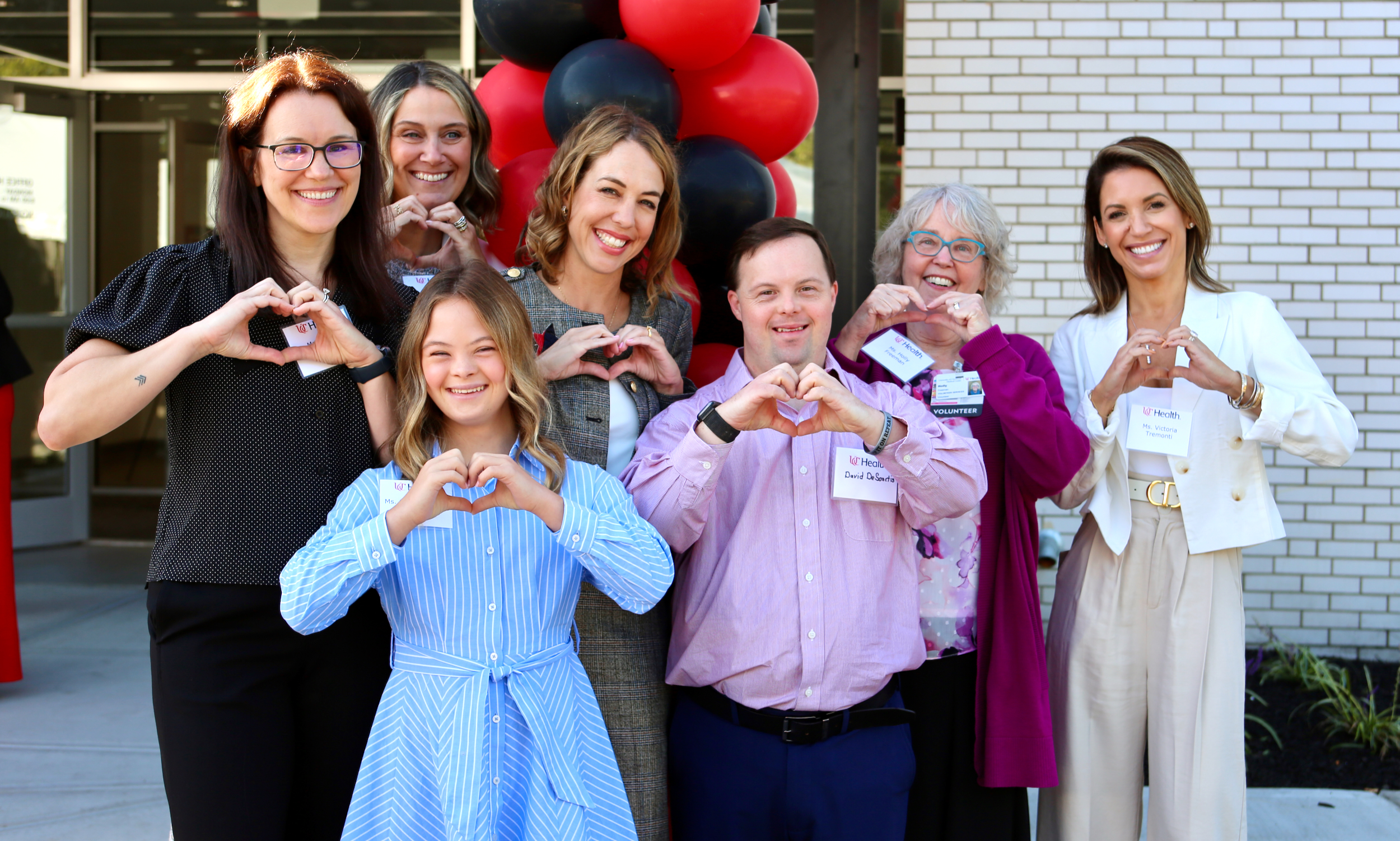 Three years ago, NDSS seeded the project with a $100,000 gift to fund the center's first program manager. It later contributed $25,000 to sponsor a named exam room and, perhaps most importantly, championed the multimillion-dollar federal backing that carried the expansion across the finish line.
"When NDSS surveyed the Down syndrome community three years ago, we asked families what they needed most," said Kandi Pickard, president and CEO of NDSS. "The answer was clear: specialty-care providers who understand Down syndrome. The expansion of the Freeman Center is another step toward fulfilling that need. Today is one more step toward making that a reality."
Patients who feel seen
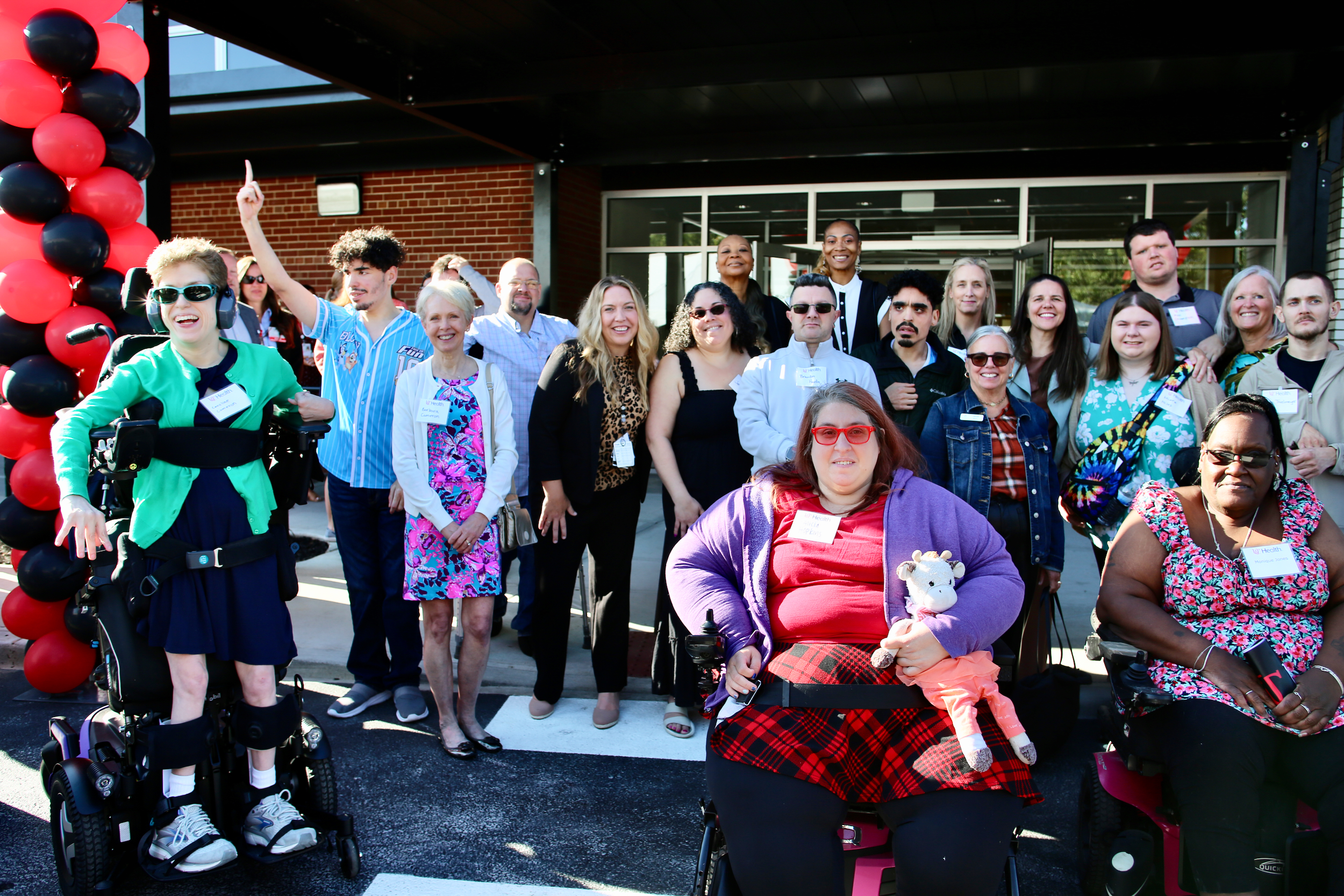 For families, the new center represents relief after years of frustration.
"Most doctors we tried just didn't understand my son," said Emily Kendall, co-founder of Empower Me Living, whose son has Down syndrome. "Here, he's seen as a whole person, not a problem to fix. That means everything."
Patients echo the sentiment. One man with autism recalled how, at past appointments, providers spoke about him as if he weren't in the room. At the Freeman Center, he said, "they talk to me, not around me."
Kendall has watched families break down in tears during first visits. "They say, 'I'm so glad we found you. Now we know we'll have support throughout our lives,'" she said.
The name behind the mission
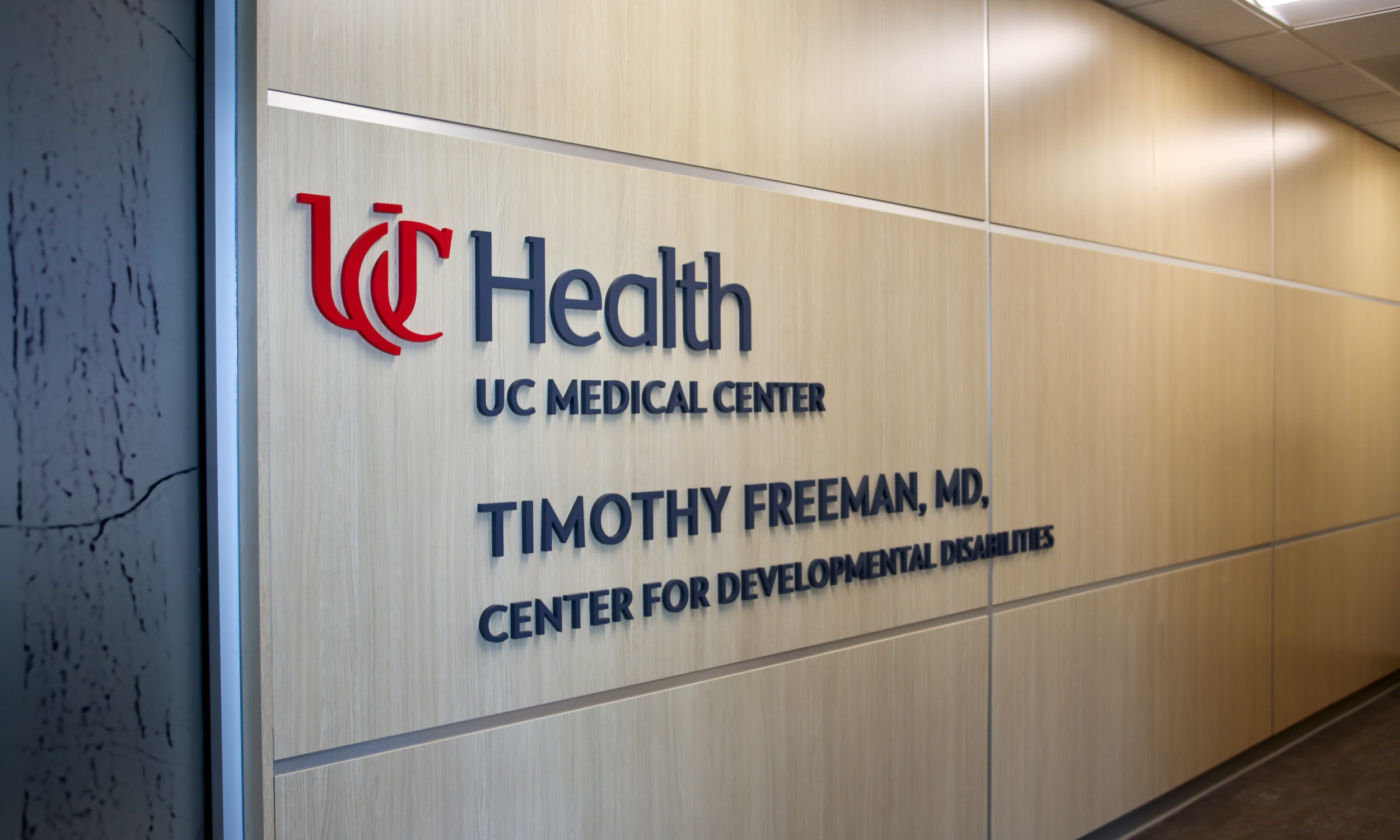 The center honors Timothy Freeman, MD, a UC Health physician and UC professor who spent decades championing patients with developmental disabilities before his death in 2022.
"Tim had a vision when few others could see it," Shaw said. "He made the case for change, even when resources were scarce. Today, that vision is alive."
The work continues under Lauren Wang, MD, UC associate professor of family and community medicine, who now serves as the Freeman Center's director. "What we're building here is just the beginning," she said. "This facility allows us to educate more providers, expand research and serve far more patients."
A 'supernova' legacy
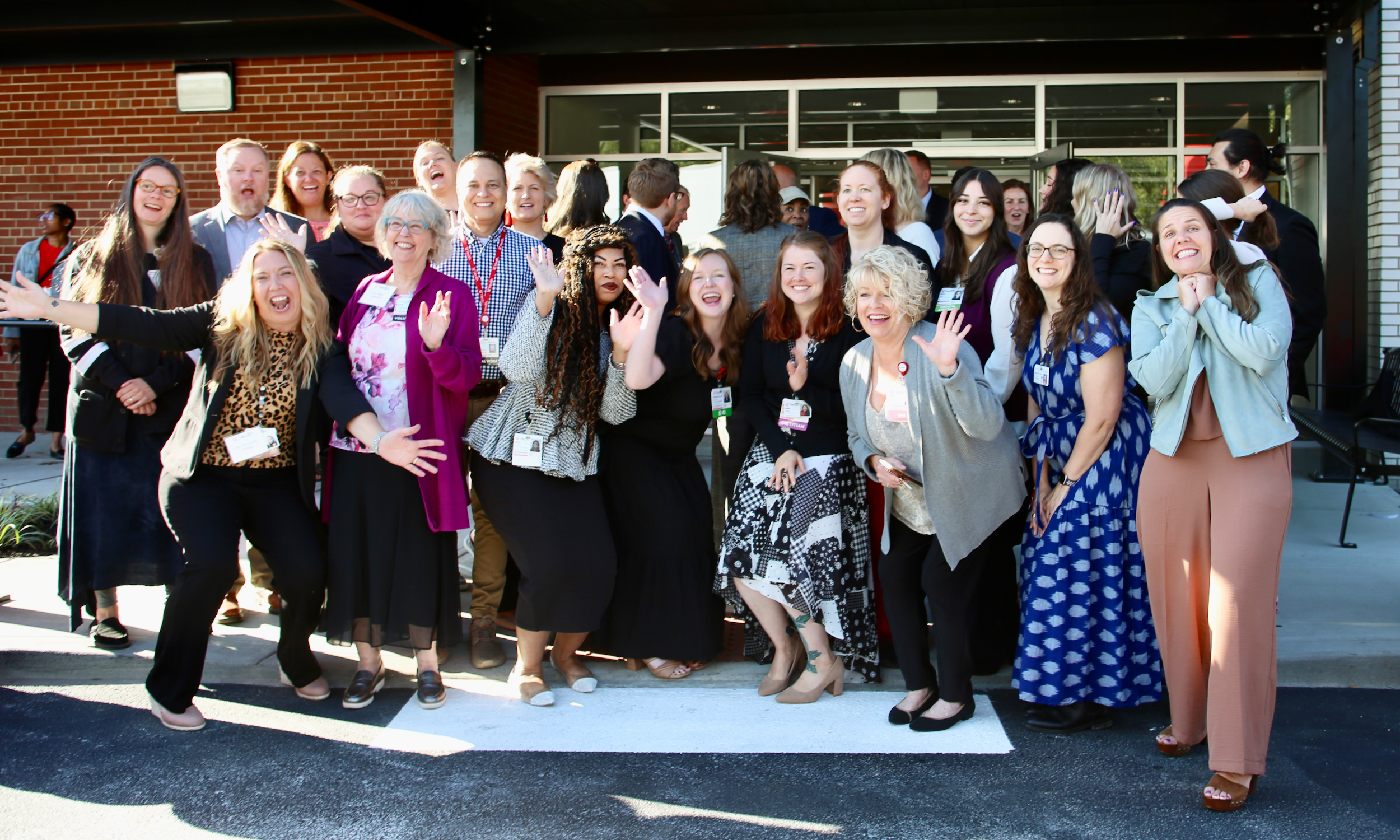 For Wang and her team, Freeman's passing became a defining moment. "We like to say that when Tim died, a supernova happened," she said. "A supernova is the death of a massive star — but it releases incredible energy, light and inspiration. That's exactly what we felt. Instead of despair, we felt lifted."
The outpouring was immediate. Volunteers and partners stepped forward. The team doubled, then tripled. "That supernova power carried us," Wang said. On opening day, she announced another expansion: a dental program, long sought by patients. "And do you know how we'll make it happen? Through the power of the supernova."
Designed for dignity
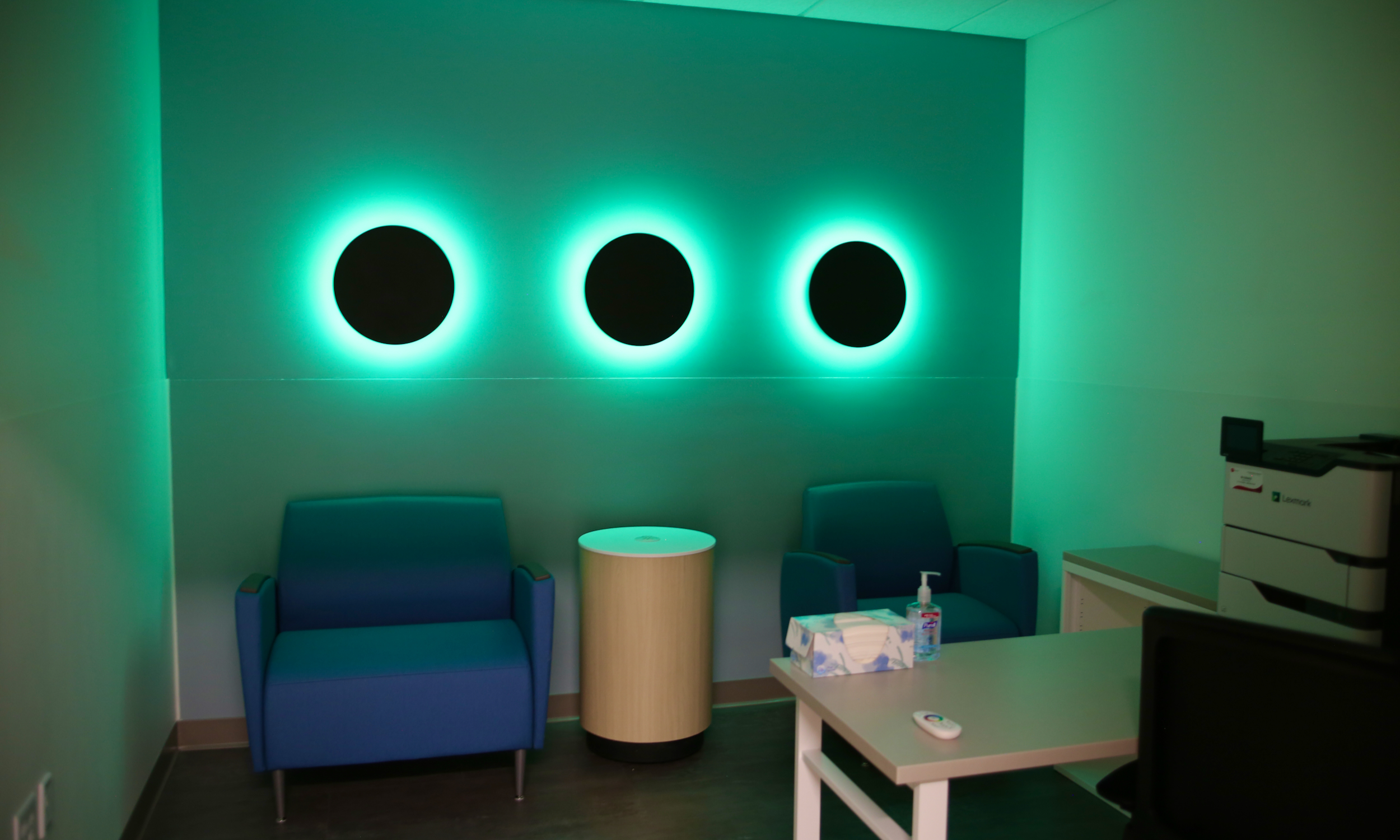 Every detail of the new space reflects years of listening to patients and families.
The expanded Freeman Center's 2830 Victory Parkway location is ten times larger than its predecessor, with therapy and exam rooms equipped with the latest technology and accessible design features that prioritize comfort and dignity. Services range from primary care and psychiatry to rehabilitation, nutrition counseling and social work. Nurses bridge outpatient and inpatient care, even visiting patients during hospital stays. Community navigators connect families to housing, transportation and employment.
"UC Health couldn't have done this alone," Shaw said. "This was only possible because of organizations like NDSS and support from state and federal partners. Together, we're making sure every patient has access to the care they deserve."
More than Cincinnati
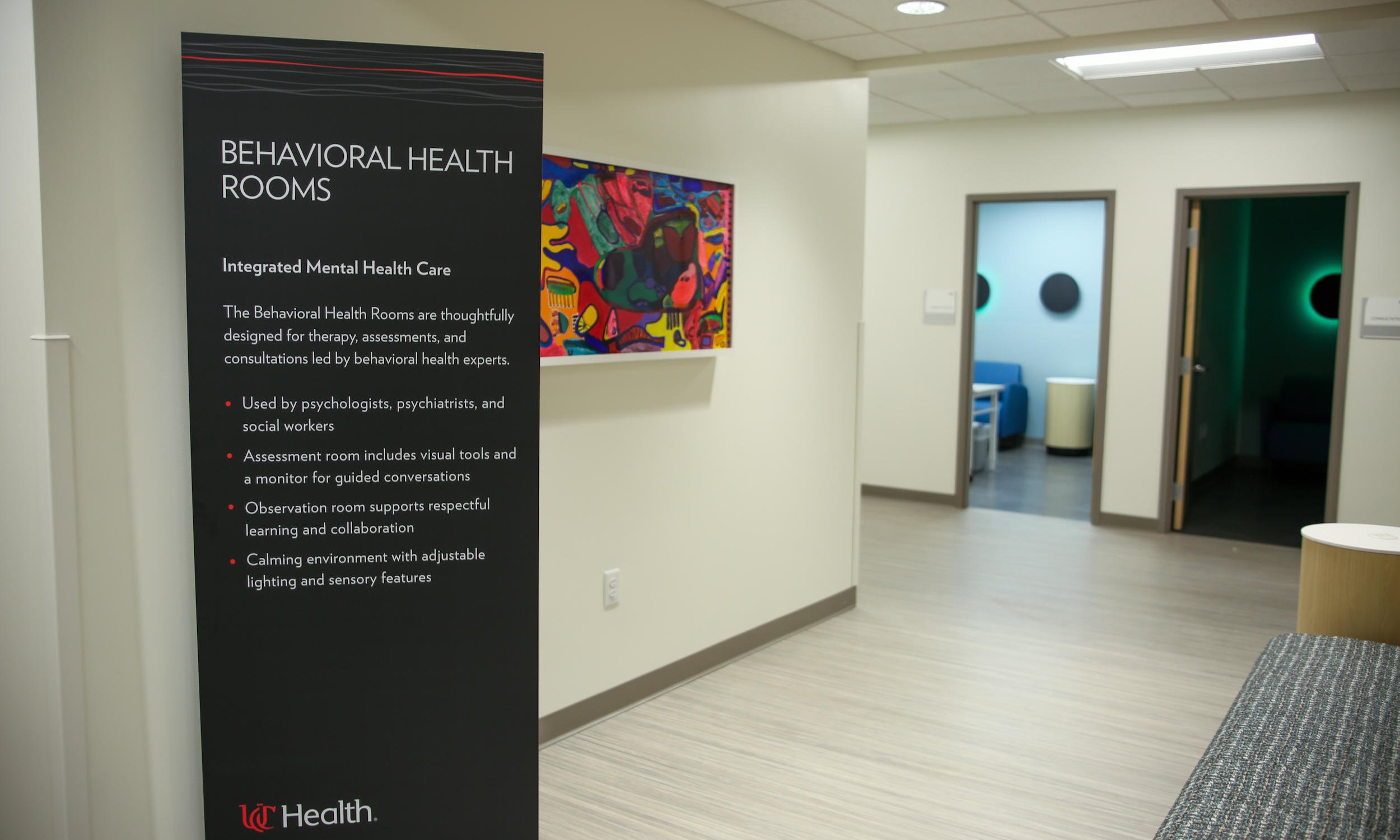 Wang insists the effort is about more than bricks and mortar — or even Cincinnati itself. "This is a new model for the nation," she said. "Our vision has always been to educate providers everywhere, expand research and set a new standard of care."
Wang reminded the audience that the energy driving the center began with one man's dream. "When Dr. Freeman died, his energy didn't disappear," she said. "It multiplied. And it continues with all of us here today."